
Categories
First-Time Homebuyers, Buying a HomePublished June 9, 2026
Should You Buy the Biggest House in the Neighborhood?

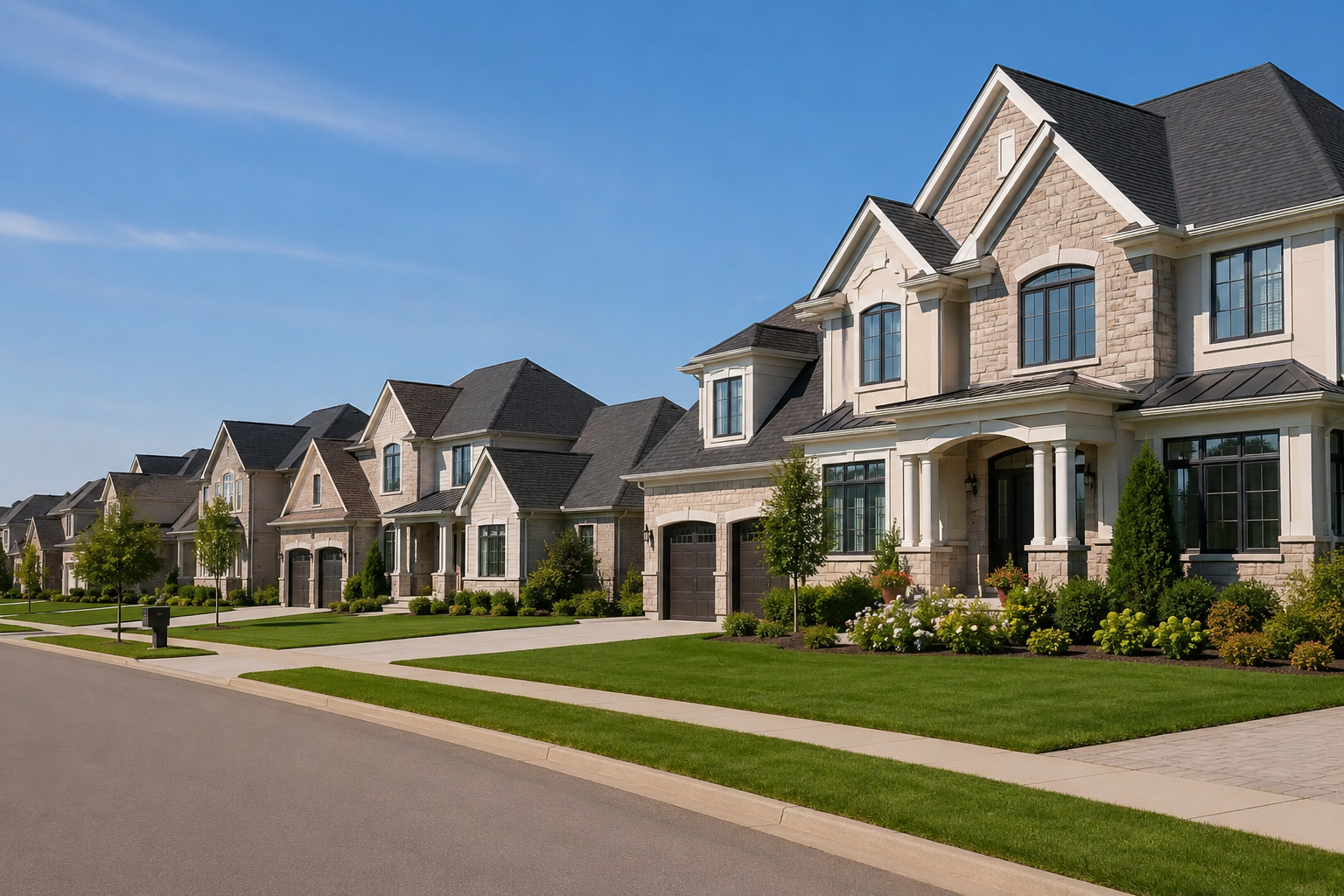
When buyers find a home they love, it’s easy to focus on the property itself.
The layout is perfect. The kitchen is updated. The backyard checks every box.
But there’s another question worth asking:
How does the home compare to the rest of the neighborhood?
One piece of real estate advice that’s been around for decades is to avoid buying the biggest or most expensive home in the neighborhood. But is that advice still relevant today?
Let’s take a closer look.
Why Location Matters More Than the House
Real estate professionals often say that you can change almost everything about a home—except its location.
The value of your property is influenced not only by the home itself but also by the surrounding homes.
When a property significantly exceeds neighboring homes in size, features, or price point, it can sometimes limit future appreciation because buyers often compare it against nearby sales.
The Principle of Conformity
In real estate, there’s a concept known as the Principle of Conformity.
Simply put, homes tend to hold their value best when they’re similar in style, size, and quality to surrounding properties.
That’s one reason buyers often hear the advice to purchase one of the nicer homes in a neighborhood—but not necessarily the most expensive one.
When neighboring homes support your home’s value, future resale can become easier.
The Benefits of Buying the Largest Home
Of course, there are exceptions.
Buying the largest home in a neighborhood may offer advantages such as:
- More living space
- Larger lots
- Premium upgrades
- Better floor plans
- Unique features not found elsewhere
If the home meets your needs and you plan to stay long-term, those benefits may outweigh any concerns about resale.
When It Can Become a Challenge
The biggest home in the neighborhood isn’t always a problem—but it can create challenges if:
- The price is significantly higher than surrounding homes
- Upgrades greatly exceed neighborhood standards
- Future buyers have limited comparable sales
- The neighborhood isn’t appreciating at the same pace
In these situations, sellers may have a smaller buyer pool when it’s time to move.
Think About Your Exit Strategy
Even if you’re planning to stay for many years, it’s wise to consider future resale potential before purchasing.
Ask yourself:
- Will this home appeal to future buyers?
- Is the price supported by the neighborhood?
- Are nearby homes well-maintained?
- Is the area likely to remain desirable over time?
The answers can help provide valuable perspective.
There Isn’t a One-Size-Fits-All Answer
The reality is that buying the biggest house in the neighborhood isn’t automatically a good or bad decision.
What’s most important is understanding how the property fits within the surrounding market and whether it aligns with your long-term goals.
Sometimes the perfect home really is the largest one on the block.
The key is making an informed decision rather than relying on assumptions.
Looking Beyond the House
The best real estate decisions consider more than square footage and finishes.
They take into account the neighborhood, future marketability, and long-term value.
At Ginger & Co., we help our clients evaluate the full picture so they can make confident decisions whether they’re buying, selling, or investing in the Triangle.

Ginger Vereen Peters
Team Leader | Ginger & Co. | Keller Williams Legacy | PLACE
or another way