
Categories
Homeownership TipsPublished November 17, 2026
Is Your Home Ready for Winter? A North Carolina Homeowner’s Checklist

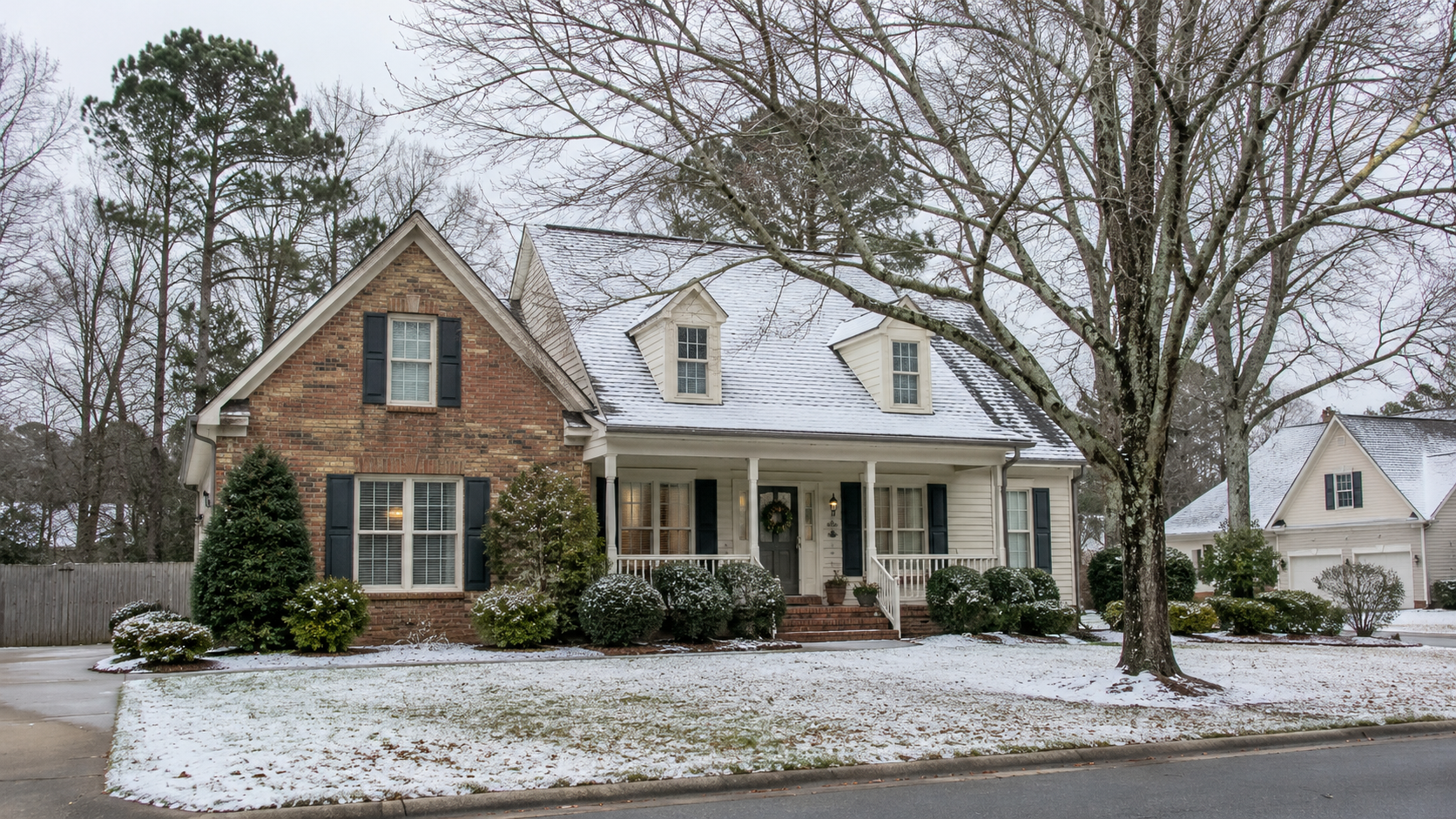
North Carolina winters may not be as severe as those in colder parts of the country, but that doesn't mean homeowners can skip seasonal preparation. Temperatures across the Triangle can fluctuate, and occasional freezing conditions can create problems for homes that aren't ready.
From protecting exposed pipes to clearing gutters and checking windows, a little preventive maintenance can help you avoid unnecessary repairs and keep your home comfortable throughout the season.
Before the coldest days arrive, here's a practical winter preparation checklist for North Carolina homeowners.
1. Protect Your Pipes From Freezing
Frozen pipes are one of the biggest concerns during sudden cold snaps. Pipes located in crawl spaces, garages, attics, and other unheated areas may be especially vulnerable.
Before temperatures drop:
- Insulate exposed water pipes, particularly those in unheated spaces.
- Disconnect and drain outdoor garden hoses.
- Cover exterior faucets with insulated faucet covers.
- Seal gaps around areas where pipes enter the home.
- Locate your main water shut-off valve in case a pipe bursts.
When a hard freeze is expected, follow local utility or plumbing guidance. Depending on your home's plumbing, allowing a small trickle of water to run and opening cabinets beneath sinks can help protect vulnerable pipes.
If you suspect a pipe has frozen, avoid using an open flame to thaw it. Contact a qualified plumber if you're unsure how to handle the situation.
2. Clean Gutters and Check Your Roof
Falling leaves are part of the season, but they can create problems when they accumulate in gutters and downspouts.
Blocked gutters prevent rainwater from draining properly. Water may overflow near your home's foundation or contribute to moisture problems around the exterior.
Add these tasks to your checklist:
- Remove leaves and debris from gutters.
- Check downspouts to make sure water flows away from the foundation.
- Look for loose, damaged, or missing shingles.
- Inspect roof flashing for visible damage.
- Trim branches that hang too close to the roof.
If you notice signs of roof damage or aren't comfortable inspecting it yourself, consider hiring a professional.
3. Seal Drafts Around Windows and Doors
If certain rooms feel colder than others, drafts around windows and exterior doors may be contributing to the problem.
Small gaps can allow cold air to enter and make your heating system work harder to maintain a comfortable temperature.
Check the weatherstripping around doors and windows for worn or damaged sections. Look for gaps around frames and apply appropriate caulk or weatherstripping where needed.
Also consider:
- Checking window locks and closures.
- Replacing damaged door sweeps.
- Inspecting attic insulation for visible gaps or disturbances.
- Using curtains to help reduce drafts near windows.
These small improvements can make a noticeable difference in indoor comfort.
4. Prepare Your Fireplace and Chimney
If your home has a wood-burning fireplace, make sure it's ready before using it regularly.
Creosote and soot can accumulate inside chimneys over time. Without proper maintenance, this buildup can increase the risk of a chimney fire.
Before lighting your first fire of the season:
- Have the chimney inspected and cleaned by a qualified professional.
- Check the fireplace and damper for visible damage.
- Make sure the chimney cap is in good condition.
- Use only dry, seasoned firewood.
- Keep combustible materials away from the fireplace.
If you use a gas fireplace, follow the manufacturer's maintenance recommendations and have it inspected if you notice unusual odors or performance issues.
5. Test Smoke and Carbon Monoxide Detectors
Winter often means more time indoors and greater use of heating equipment and fireplaces. It's a good time to make sure your home's safety devices are working properly.
Check smoke alarms and carbon monoxide detectors throughout the house.
Make sure they're installed in the appropriate locations, test them according to the manufacturer's instructions, and replace batteries or devices when needed.
Carbon monoxide is especially important to consider when using fuel-burning appliances. Never use outdoor grills, generators, or camp stoves inside your home or garage.
6. Check Outdoor Faucets, Irrigation, and Drainage
Outdoor plumbing can be easy to overlook until freezing temperatures arrive.
Disconnect garden hoses and drain them before storing them away. Protect exterior faucets and follow the manufacturer's or a qualified professional's instructions for winterizing irrigation systems.
It's also worth walking around your property after rainfall.
Look for areas where water collects near the foundation, clogged drainage paths, or downspouts that discharge too close to the house. Addressing drainage issues before winter weather sets in can help reduce the risk of moisture-related damage.
7. Prepare for Possible Winter Storms and Power Outages
Even if severe winter weather isn't an everyday occurrence in the Triangle, it's worth having a basic emergency plan.
A winter storm can bring freezing rain, icy roads, power interruptions, and unexpectedly low temperatures.
Keep these essentials accessible:
- Flashlights and extra batteries.
- A battery-powered or hand-crank weather radio.
- Bottled water and nonperishable food.
- Warm blankets and extra clothing.
- A fully charged power bank.
- A basic first-aid kit.
If you use a generator, operate it outdoors and well away from doors, windows, and attached garages. Never operate it indoors.
8. Don't Forget Your Yard and Outdoor Spaces
Your home's exterior needs attention, too.
Before winter arrives, take a walk around your property and look for maintenance tasks that could become more difficult once temperatures drop.
Consider:
- Trimming dead or damaged tree branches.
- Securing loose outdoor furniture.
- Storing garden hoses and seasonal equipment.
- Checking fences, gates, and exterior steps.
- Clearing leaves from walkways and drains.
- Inspecting outdoor lighting.
These simple tasks can help keep your property safer and easier to maintain throughout the season.
A Little Preparation Can Prevent Bigger Problems
Winter home maintenance doesn't have to mean a major renovation or a long list of expensive upgrades. Often, it's the smaller preventive tasks that make the biggest difference.
For North Carolina homeowners, protecting exposed pipes, maintaining proper drainage, sealing drafts, and preparing for occasional freezing temperatures are all worthwhile steps.
Use this checklist as a starting point, and remember to address any existing maintenance concerns before they become more serious.
Thinking About Your Next Move?
Whether you're preparing your current home for winter or considering a move in the coming months, understanding how to care for a property is an important part of homeownership.
At Ginger & Co, we're here to help our clients navigate the real estate market and feel confident about their next steps.
Have questions about buying or selling a home in the Triangle? Reach out. We'd love to help you plan your next move. 💙

Ginger Vereen Peters
Team Leader | Ginger & Co. | Keller Williams Legacy | PLACE
or another way